In an age where security breaches are rising, finding a reliable security company is more crucial than ever. With technology evolving rapidly, businesses and homeowners alike need to ensure their assets and properties are safeguarded. Navigating the multitude of security options available can be daunting, but focusing on several key factors can guide you towards the best choice.
Understanding Your Security Needs
Before reaching out to any security company, it’s essential to conduct a thorough evaluation of your specific security needs. Are you protecting a residential property, a commercial establishment, or perhaps sensitive personal data? The type of property and assets involved can determine the level of security required. Understanding whether you need on-site personnel, cybersecurity measures, or a combination of both will help refine your search. Additionally, consider any past incidents or threats that have shaped your security requirements.
After identifying your primary security needs, it’s critical to set clear objectives and expectations. Consider what you want from a security company and what success looks like. Clear objectives will not only help you filter potential candidates but also ensure effective communication and collaboration once services begin. For instance, if rapid response times are crucial, then prioritize companies known for their quick action. Similarly, if discretion and subtlety are valued, explore providers with a reputation for maintaining a low profile.
Engaging stakeholders and relevant parties in this initial assessment is also valuable. Gathering insights from employees, residents, or business partners can offer a wider perspective on areas of potential vulnerability. A comprehensive approach can uncover hidden risks and allow for a more tailored security strategy. Remember, a security company will work closely with you; thus, their understanding of your needs should be as detailed as possible.
Evaluating Expertise and Experience
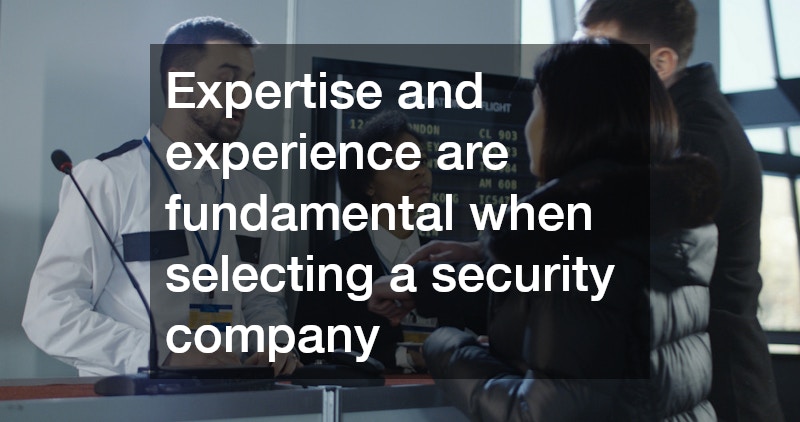
Expertise and experience are fundamental when selecting a security company. Begin by examining the professional backgrounds of key personnel within the organization. An experienced workforce often reflects a company’s capacity to handle diverse security challenges. Pay attention to case histories that demonstrate innovation and effectiveness in tackling security issues. These histories can provide insights into how the company adapts to changing technologies and threats.
Furthermore, enquire about the training standards and protocols adhered to by the company. Regular training reflects a commitment to staying abreast of the latest security tactics and technology, which is essential in today’s ever-evolving environment. Determine whether the company invests in its staff through continued education and development. A company that supports its personnel’s growth is likely to be at the forefront of innovation. Employee expertise greatly impacts the overall quality of service provided.
Also consider the company’s specialization and depth of experience in your specific sector or type of security need. Companies with sector-specific knowledge are usually quicker to understand nuanced requirements and challenges. A security company experienced in retail may adapt differently compared to one focusing on industrial complexes. Their familiarity with your industry fosters more effective security strategies. In addition, ask about their familiarity with industry regulations and best practices.
Assessing Customer Service and Communication
Quality customer service and communication are critical elements of a successful security partnership. A security company should offer consistent, clear channels for contact and updates. Communication frequency and clarity often determine the effectiveness of security protocols in rapidly evolving situations. A provider’s ability to articulate security measures and adjustments with transparency is non-negotiable. Ensure that service contracts address communication standards committed to by the security company.
Additionally, responsiveness to client needs is a key indicator of good service. Security threats can arise suddenly, necessitating immediate attention and resolution. Ascertain whether potential companies offer 24/7 support and how they manage emergencies. The best security companies deliver tailored solutions, listening to client feedback and evolving services accordingly. A responsive company builds trust and fosters a collaborative partnership.
Finally, consider how a company monitors and evaluates its own performance. Collecting feedback and acting on it indicates a proactive approach to service improvement. Post-service reviews and assessments showcase their commitment to accountability and excellence. Engaging in regular performance discussions can enhance satisfaction on both ends. An ideal security company continually strives for improvements to match client needs effectively.
Considering Cost and Value
When contemplating which security company to hire, cost cannot be ignored, but it should be weighed alongside value and quality. Establish a clearly defined budget before approaching potential providers. Understanding what you can afford narrows down choices and assists in setting realistic expectations. However, remember that cheap security services could imply compromises in quality. Seek a balance where your budget meets credible and competent service provision.
Ask for detailed quotes and what they entail; transparency here ensures no unexpected costs arise later. Compare these quotes against the array of services offered and how they align with your requirements. Consider additional offerings like consultancy, ongoing support, or technological upgrades as value-adding services. Often, the true measure of a security company is in the total package presented, not just the upfront cost. A higher initial investment might result in longer-term savings and enhanced efficiency.
Finally, always keep the potential return on investment (ROI) in mind. The right security company’s influence on a decrease in security breaches can outweigh initial costs. Reliable protection can also enhance reputation, attract business, and reduce liability and insurance premiums. Ultimately, value is not fleeting but derived from sustained quality improvement and peace of mind. A well-researched choice equates to overall security and strategic advantage.