Managing a single industrial facility demands constant oversight, quick crisis resolution, and tight cost controls. Scaling those operational responsibilities across multiple sites scattered across a region multiplies every challenge exponentially. Multi-site facilities management in heavy operational environments is not simply a matter of doing the same job in five different locations; it requires a fundamental shift in how assets are tracked, vendors are managed, and safety protocols are implemented. Without a structured framework, regional directors quickly find themselves consumed by reactive firefighting, inconsistent quality standards, and ballooning operational expenditures.
Mastering multi-site management requires striking a fine balance between centralized administrative control and localized tactical execution. When corporate policy dictates safety and procurement standards while empowering site-level managers with actionable operational playbooks, regional networks thrive. This guide breaks down the core operational pillars necessary to streamline heavy multi-site operations—from standardizing heavy equipment fleets and managing physical grounds logistics to coordinating specialized contractors, refining preventive maintenance, and securing critical hazardous infrastructure.
1. Establishing Standardized Equipment Protocols Across Regional Hubs
Unify Procurement Specifications Across All Operational Sites
One of the primary challenges when undergoing multi-site expansion is fleet fragmentation. This issue arises when individual site managers are permitted to procure machinery independently, often driven by local connections or immediate budget constraints. The resulting patchwork of equipment not only undermines operational efficiency but also leads to increased inventory costs and specialized maintenance requirements. To mitigate these challenges, it is essential to establish uniform technical criteria that transcend individual site preferences. By doing so, it becomes possible to transfer assets seamlessly between sites, effectively addressing demand fluctuations. For instance, standardizing major components, like opting for remanufactured Caterpillar engines during fleet overhauls, enables maintenance teams to utilize a consistent stock of filters, belts, and diagnostic tools across all regional hubs. This uniformity significantly reduces downtime when a vital piece of machinery requires service, allowing operations to continue without significant disruption.
Establish Rigorous Indoor and Outdoor Fleet Maintenance Logs
Standardization should extend not only to engine components but also to the various material handling assets operating both indoors and in transfer docks. Implementing a centralized telematics framework provides regional managers with comprehensive, real-time visibility into machine run times, operator behavior, and maintenance alerts across every facility. This system ensures that minor mechanical issues are detected early through daily pre-shift digital inspections, preemptively preventing them from developing into major structural failures. For equipment such as heavy-duty forklifts used in indoor facilities and short-distance yard transit, adhering to strict, automated maintenance cycles is crucial. This discipline prevents operational bottlenecks during peak loading hours and upholds consistent safety standards for operators across all regional locations.
- Centralize Asset Identification: Implement a universal tracking system that assigns unique identification codes to each piece of equipment across regional hubs. This system enables streamlined management of equipment depreciation and comprehensive service records within a unified database, enhancing accountability and oversight.
- Standardize Daily Inspection Protocols: Mandate the use of digital pre-shift checklists accessible via mobile tablets to maintain uniform inspection standards irrespective of the site location. This approach ensures high-quality inspections, promoting early detection of issues and consistent safety practices across all sites.
- Optimize Cross-Site Asset Movement: Strategically shift underutilized equipment between different site locations based on seasonal workload demands, rather than purchasing additional backup units. This strategy maximizes resource utilization, minimizes unnecessary spending, and fosters a dynamic approach to resource allocation.
2. Streamlining Site Preparation and Waste Logistics
Standardize Hardscaping and Perimeter Maintenance Protocols
The physical perimeter of an industrial facility plays a critical role in establishing safety protocols, enhancing drainage systems, and maintaining security standards. A well-maintained perimeter not only boosts the aesthetic appeal of the facility but also fortifies its defensive capabilities against potential threats. Ignoring necessary ground cover procedures can lead to severe soil erosion, which compromises the stability of the land and significantly contributes to the creation of dust clouds. This dust can infiltrate machinery, causing malfunctions and operational inefficiencies. During periods of heavy rainfall, the absence of proper ground cover may also lead to mud accumulation, creating hazardous conditions for both personnel and vehicles. To address these issues, regional managers are encouraged to enter into bulk procurement agreements for robust ground covers and structural fill materials. This strategy controls costs effectively while ensuring all properties uphold consistent visual and functional standards. Implementing standardized materials, such as graded landscape stone, in key areas including high-traffic access lanes, drainage swales, and equipment staging areas is essential. This approach not only ensures consistent soil erosion control but also mitigates the risk of heavy vehicles tracking mud into critical processing bays.
Implement Scalable Debris and Waste Removal Schedules
Managing waste effectively is a significant challenge for industrial sites, where large amounts of scrap metal, packaging waste, and construction debris are generated on a daily basis. Leaving waste management to a decentralized, ad-hoc approach can result in overflow situations, leading to violations of local safety codes. These overflow conditions can also disrupt the streamlined flow of logistics, impacting productivity and operational efficiency. It is essential for facility leaders to structure waste management agreements that are dynamic and responsive to the measured tonnage produced and the operational output of the facility. Relying on static, calendar-based collection cycles is not effective for meeting the variable demands of modern industrial operations. Instead, negotiating regional master service contracts for dedicated dumpster rental services enables facilities to adjust their waste management capacity according to current production rates. This ensures that the space around the facility remains clear and organized, preventing unnecessary expenses associated with hauling away empty dumpsters.
- Establish Dedicated Waste Staging Zones: At each facility site, designate clear and well-marked areas specifically for the bulk sorting of materials, collection of scrap, and strategic placement of containers. This organization aids in efficient waste processing and facilitates easier waste management procedures.
- Conduct Monthly Waste Audits: Regular monitoring of the scrap and trash volumes across different sites is crucial. Monthly waste audits help in identifying any process inefficiencies or material waste that might occur upstream. Through these audits, facilities can streamline their waste reduction strategies and minimize unnecessary resource consumption.
- Implement Dynamic Haul Scheduling: Utilize advanced fill-level sensors installed on large waste containers. These sensors automate pickup requests only when the containers reach their capacity thresholds. Such technology-driven solutions ensure efficient and timely waste management, eliminating unnecessary pickups and associated costs.
3. Optimizing Specialized Contractor and Partner Networks
Build Pre-Approved Vendor Lists for Custom Fabrications and Repairs
In the fast-paced world of industrial operations and maintenance, disruptions caused by mechanical failures can quickly escalate into costly downtimes. When heavy machinery endures structural fractures or when bespoke mounting brackets fail, facilities cannot afford the luxury of spending several days evaluating and vetting local repair contractors. A comprehensive approach to address this challenge involves establishing a network of pre-screened and certified fabrication partners. This proactive measure assures that spontaneous and urgent field repairs are completed with adherence to corporate structural integrity standards.
By partnering with an accredited regional welding supplier, facility mechanics gain direct access to certified structural consumables. This ensures the availability of specialized wire and shielding gases needed for carrying out high-stress repairs. Such repairs are often necessary on structural steel frames and heavy attachments, which are integral to maintaining the critical operations of the facility.
Centralize High-Risk Rigging and Lift Planning
The execution of vertical lifting maneuvers, structural installations, and replacements of heavy equipment inherently carries substantial liability, posing significant physical risks. If individual site supervisors are left to hire local crane operators without standardized safety reviews, this opens up considerable operational vulnerabilities. To mitigate these risks, it is imperative that corporate safety teams centralize the vetting process for heavy lifts.
By forming master service agreements with fully insured and highly qualified crane companies, organizations can ensure safer operations. Moreover, requiring standardized lift-plan templates for all non-routine overhead maneuvers is crucial. Such measures guarantee that ground bearing pressure, wind thresholds, and rigging configurations are thoroughly verified and documented prior to any attempt to elevate heavy loads. This meticulous planning prevents accidents and enhances overall safety and reliability in lifting operations.
- Enforce Prequalification Standards: Ensure that all mechanical and structural contractors are required to submit their safety records, demonstrate their insurance coverage, and provide evidence of welder certifications on an annual basis. This rigorous screening process helps maintain high safety and operational standards, reducing potential risks and improving contractor accountability.
- Mandate Unified Lift Documentation: It is essential to ensure that no heavy overhead lift occurs without a signed, site-specific rigging and load path assessment. Having a standardized process for documenting these operations ensures consistency and provides a thorough safety review for each lift scenario, effectively minimizing risks and potential mishaps during lifting tasks.
- Create Emergency Dispatch Protocols: Develop and maintain a dedicated call-out list for rapid-response contractor services throughout all active regional territories. This allows for swift action when unexpected mechanical failures or emergencies arise, ensuring quick restoration of operations and minimizing production stoppages.
4. Driving Operational Continuity Through Preventive Upkeep
Transition from Reactive Fixing to Condition-Based Monitoring
Waiting for a piece of critical processing equipment to break before servicing it is the most expensive way to manage an industrial facility. Advanced multi-site operations rely on condition-based monitoring, utilizing Internet of Things (IoT) sensors to track vibration, thermal variance, and acoustic signatures across critical machinery. Integrating continuous monitoring into every site’s industrial maintenance strategy enables regional engineering teams to catch component fatigue early, allowing maintenance teams to schedule repairs during planned shift changes rather than suffering unannounced line stoppages during peak production runs.
Conduct Annual Structural and Environmental Audits Across Properties
While day-to-day maintenance teams keep machinery running, long-term operational resilience depends on the integrity of physical site infrastructure. Foundations, retaining walls, retention basins, and heavy paving zones deteriorate under continuous heavy axle loads and environmental exposure. Retaining an independent civil engineer to conduct annual structural and drainage audits across all properties ensures that subsurface settling, concrete spalling, and storm run-off issues are identified and remediated before they cause structural downtime or regulatory penalties.
- Deploy Continuous Vibration Sensors: Attach wireless vibration monitors to primary drive shafts, gearboxes, and high-duty motors.
- Standardize Maintenance Work Orders: Utilize a centralized Computerized Maintenance Management System (CMMS) to track work orders and repair costs per asset.
- Prioritize Capital Expenditure by Risk: Use annual engineering inspection scores to rank structural repair budgets across the entire site network.
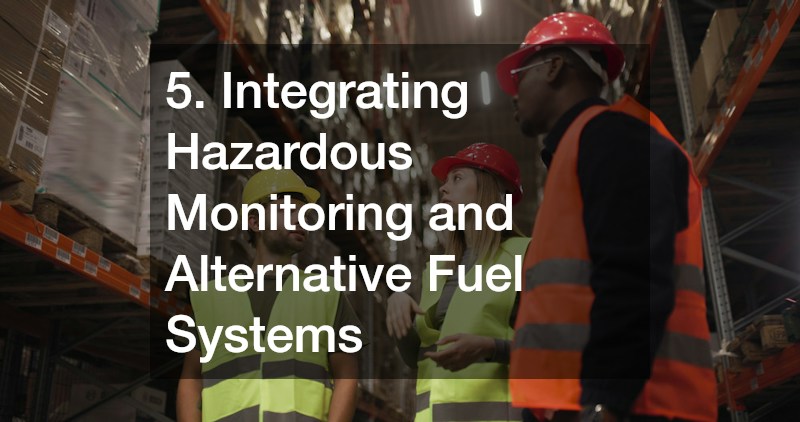
5. Integrating Hazardous Monitoring and Alternative Fuel Systems
Automate Environmental Safety and Leak Detection Platforms
Facilities handling chemicals, solvents, or fuel byproducts must maintain strict, continuous environmental oversight. Manual testing logs leave gaps in coverage and expose companies to severe environmental liability if a slow leak goes undetected. Multi-site operators should deploy automated, multi-point monitoring systems that constantly sample air quality, fluid containment sumps, and soil sensors around storage areas. Linking an automated chemical monitoring system directly into the central cloud dashboard ensures that safety officers receive immediate SMS and email alerts the second atmospheric or liquid thresholds exceed pre-set safe limits.
Implement Standardized Fuel Storage and Safety Infrastructure
Auxiliary heating, fleet fueling stations, and backup power generators require robust fuel infrastructure that complies with federal, state, and local safety codes. Facilities using bulk gas storage for space heating or process work must institute uniform buffer zones, physical impact protections, and automated emergency shut-offs across all sites. Establishing standardized maintenance schedules for every site-installed propane system guarantees that vaporizers, pressure relief valves, and supply piping are regularly pressure-tested, preventing fuel leaks and ensuring operational readiness during power disruptions.
- Automate Emergency Isolation Valves: Install solenoid-driven shutoff valves linked directly to environmental gas detection sensors.
- Enforce Universal Safety Buffer Zones: Maintain strict, clear spatial clearance around all bulk fuel tanks and chemical containment areas across every site.
- Synchronize Emergency Drills: Conduct quarterly simulated leak response drills across all regional facilities to maintain operational readiness.
Mastering the Multi-Site Framework
Scaling heavy operations across multiple sites doesn’t require reinventing operational frameworks at every new location. High-performing organizations achieve operational excellence by building a unified operational playbook—a set of standardized practices that combine centralized procurement, rigorous vendor vetting, proactive asset care, and state-of-the-art safety controls.
By systematically standardizing heavy equipment fleets, streamlining site logistics, formalizing high-risk contractor vetting, and installing automated safety monitoring systems, regional directors can eliminate unnecessary operational friction. This proactive, structured approach transforms chaotic firefighting into a predictable, highly efficient multi-site operation, unlocking long-term productivity, safety compliance, and profitability across every facility in the network.